The team

Five people. One lab. Every organization treated like the only one.

Expertise in ethical AI, product design, curriculum, compliance, and research, held together by a rule we borrowed from our own contact page: the moment of doubt is always at the button, and that is exactly where trust has to show up.

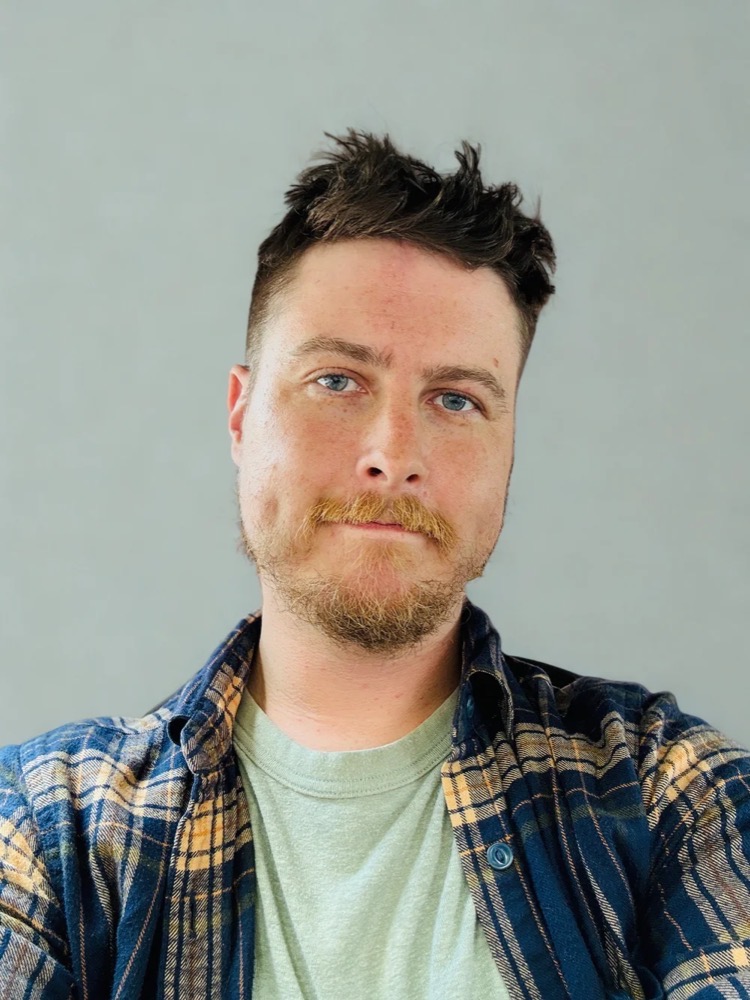
Portrait of Rev. Christopher Hope

Credentials

  • Ordained minister
  • Lecturer, Boston University
  • Aspen Institute Fellow
  • United Nations STI Forum speaker
  • Congressional Commendation, Sen. Ed Markey
  • Seven-time Telly Award winner

Executive Director

Rev. Christopher Hope

Sees the human truth inside every technology challenge.

Ethical AI policyTeaching and curriculumCommunity and institutional partnershipsPublic voice

Rev. Christopher Hope founded The Hope Group on a conviction most technology firms never consider: that the small business owner on Blue Hill Avenue, the nonprofit serving unhoused neighbors, and the city agency managing public health deserve the same caliber of AI as any Fortune 500 company. As Executive Director he sets the lab’s direction, leads its research and public voice, and keeps every product accountable to the communities it is built with.

He is an ordained minister, a lecturer at Boston University where he teaches ethical AI to graduate and professional students, and an Aspen Institute Fellow. He has addressed policymakers at the United Nations Science, Technology and Innovation Forum on equitable technology in education. His writing on faith, justice, and technology, the Dear Tech Rev column, has been featured on WBUR, NPR’s All Things Considered, and MassLive, and he is a seven-time Telly Award winner.

Beyond the lab, Rev. Hope leads The Loop Lab, a Boston workforce development organization that runs registered apprenticeship programming connecting opportunity youth to careers in creative technology. His work has been recognized with a Congressional Commendation from U.S. Senator Ed Markey and a proclamation from the City of Cambridge.

He is a father, and says the future stopped being theoretical the day his son was born. Every system the lab builds, he sees through his son’s eyes first.

Ask Chris about

  • The Digital Beloved Community
  • AI in education
  • Faith and technology
  • Getting a city or a funder to say yes
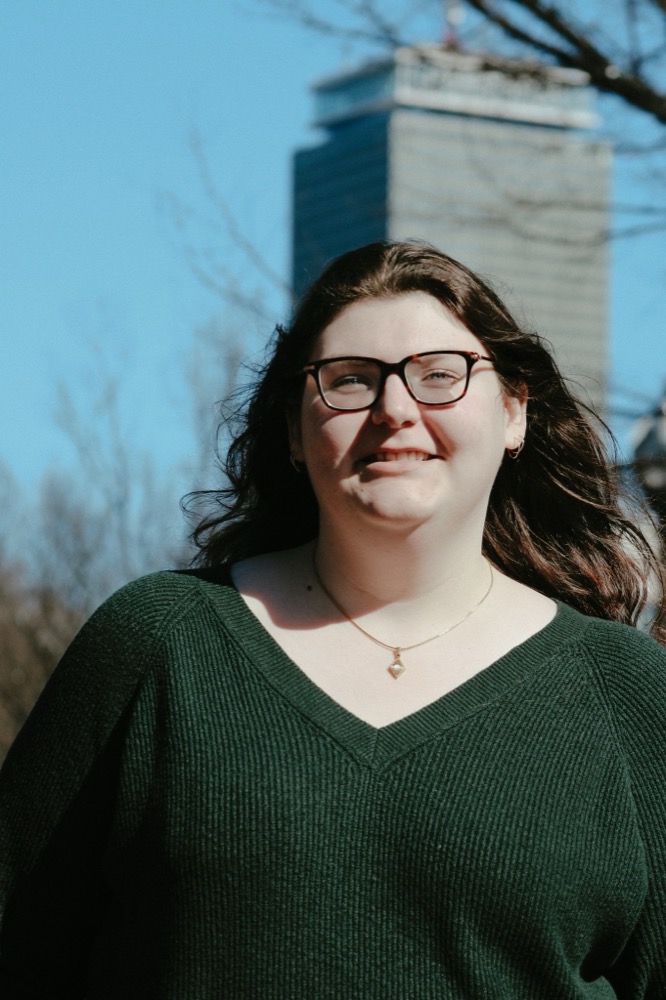
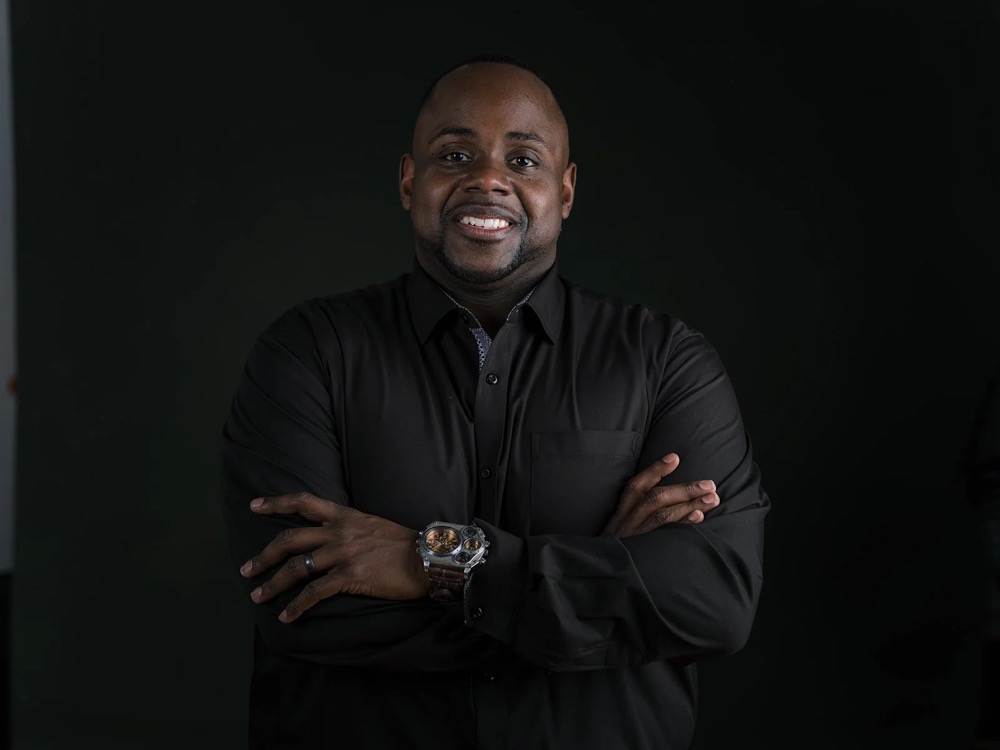
Portrait of Stephen Walter

Credentials

  • Fellow, Berkman Klein Center for Internet & Society at Harvard Law School
  • Founding Managing Director of the Engagement Lab
  • US State Department Expert Speaker on Technology for Civic Engagement
  • Published author of peer-reviewed journal articles
  • Architect of Project Lookout and Driftwood

Director of Technology + Design

Stephen Walter

Coyote.

Product architectureLocal and open-source AIDesign researchCivic technology

Stephen Walter leads technology and design at The Hope Group. He is the architect of Project Lookout, which he designed, developed, and project-managed with the Black Economic Council of Massachusetts, and of Driftwood. His work sits at the intersection of civic design, open-source software, and applied AI, and he leads the lab’s work pioneering local, open-weight models inside the apps it makes.

He describes his practice through the idea of the weird machine, a computer science term for code that makes a system run outside the limits of its original design, producing unexpected outcomes. He applies the same idea to cities, communities, and organizations: find the small, provocative intervention that makes a complex system do something better than it was built to do.

He has been working as a designer, researcher, and program director at the intersection of technology, community, and care for the past 15 years. He has worked for organizations such as the International Red Cross and Red Crescent, the UN, the State Department, and the Boston Mayor’s Office. He was also the founding managing director of the Engagement Lab, an applied research lab that used games and play to design more resilient social safety systems in communities around the globe.

Stephen’s work has ranged from designing Upriver, an SMS-based cell phone game with residents along the Zambezi River, whose whole point was that by the time you finished playing it, you and the villages upstream had built a working early-warning network, texting river levels down the line; to Community PlanIt, an online platform for urban planning deployed in places from Detroit to Bhutan; to the Engagement Center, New England’s lowest-barrier-to-entry harm reduction shelter for those struggling with homelessness and addiction. Currently he is the lead designer and developer of the Community AI Project, a constellation of free, open source AI tools for civic life built to take a deliberate step away from dependence on Big Tech. He has published peer-reviewed journal articles and book chapters on issues ranging from technology to public policy, including Meaningful Inefficiencies: Resisting the Logic of Technological Efficiency in the Design of Civic Systems from MIT Press.

At the lab he builds and runs the models, the pipelines, and the interfaces, and writes the plain-language explanations that ship with them.

Ask Stephen about

  • Running a language model on the laptop you already own
  • Why Project Lookout checks every link
  • Weird machines
  • Open-source tools for filmmakers
Portrait of Addison Landon

Credentials

  • Designs and runs every Hope Group training cohort
  • BECMA AI Series operations and participant support

Operations + Curriculum Manager

Addison Landon

Makes complex programming feel effortless, for participants and partners alike.

Curriculum designProgram operationsParticipant experiencePartner coordination

Addison Landon runs the operations and curriculum behind every Hope Group program. Equal parts communicator and operator, she translates the lab’s mission into moments that stick: from coordinating the details behind each session to making sure every participant leaves with something they can use the same day.

She designs the curriculum for the lab’s training cohorts and workshops, adapts it to each organization’s industry and starting point, and manages the logistics that let a small team deliver at the scale of a much larger one. Participants in the BECMA AI Series singled out her support during sessions as the reason the program ran so smoothly.

Every session she runs ends with a survey, and every survey goes back into the next session. That loop is where the lab’s 100 percent recommendation rate comes from.

Ask Addison about

  • Turning a two-hour workshop into something people use on Monday
  • Running a cohort across three time zones
  • What participants actually ask in the chat
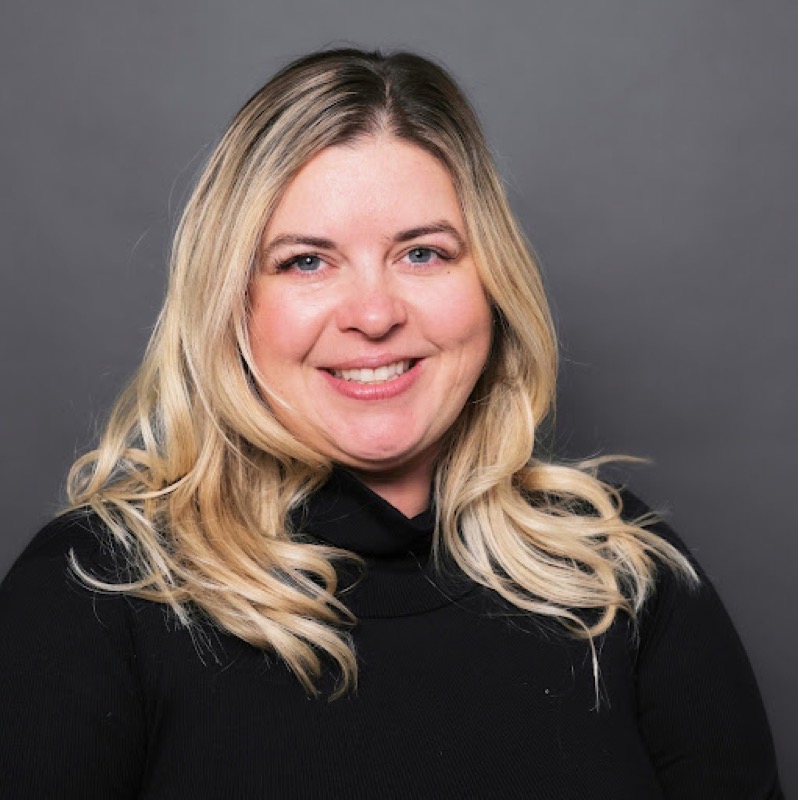
Portrait of Kaytlyn Hope

Credentials

  • Master of Health Administration (MHA)
  • C-TAGME certified
  • Lead instructor, Integrating AI in Medical Education Administration

Compliance + Leadership Lead Trainer

Kaytlyn Hope

The operational backbone of ethical implementation.

Compliance and governanceLeadership trainingRegulated environmentsMedical education administration

Kaytlyn Hope leads the lab’s compliance and leadership training, making sure high-level strategy meets operational reality. The focus is on the compliance and leadership structures organizations need to adopt AI responsibly and at scale, and on the people who have to live with those structures every day.

Kaytlyn brings a career in graduate medical education administration, one of the most regulated and documentation-heavy fields there is, and holds a Master of Health Administration and the C-TAGME certification for training administrators of graduate medical education. That background shapes how Kaytlyn teaches: AI adoption is a compliance and change-management problem before it is a technology problem.

Kaytlyn leads Integrating AI in Medical Education Administration, a six-week live course for GME leaders and administrators, and designs the lab’s leadership curriculum for regulated environments including healthcare, education, and public agencies.

Ask Kaytlyn about

  • Getting an AI policy through a board or a compliance office
  • AI in graduate medical education
  • Change management for teams that are already stretched thin
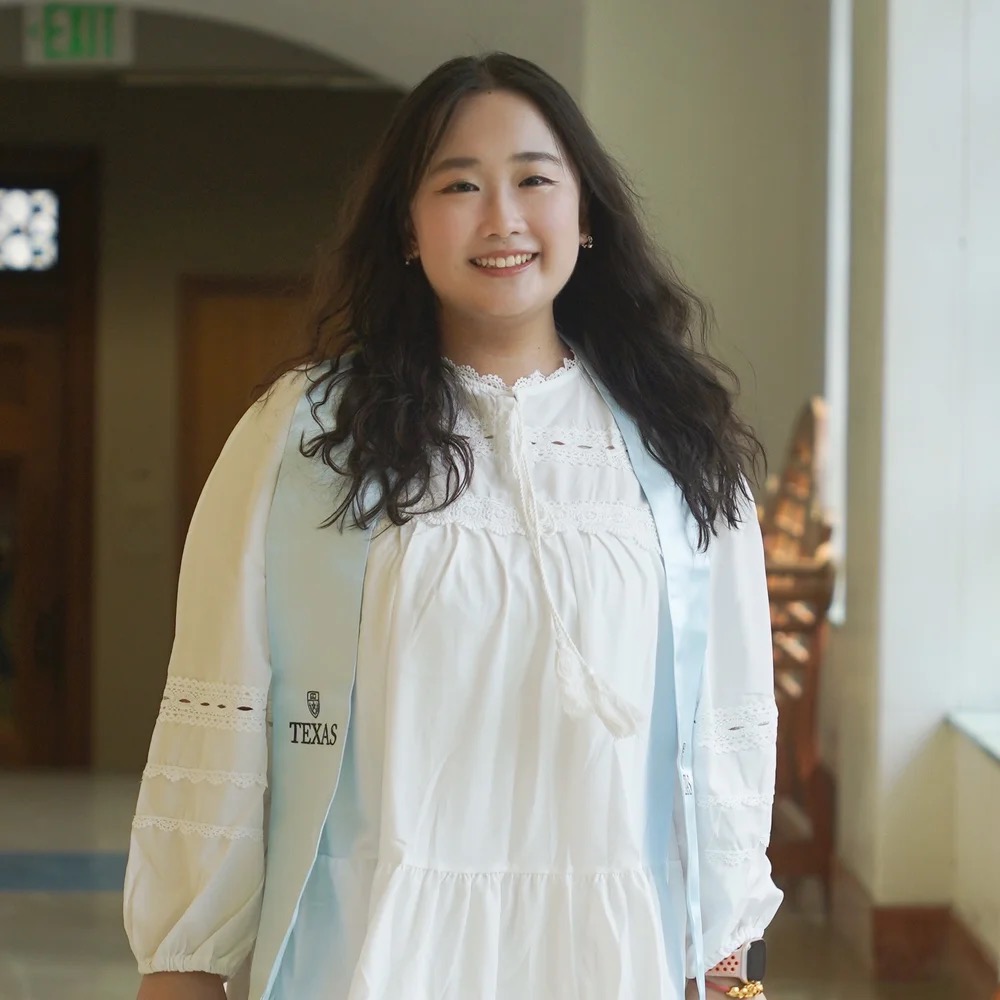
Portrait of Yunzi Wan

Credentials

  • Learning designer and educational technology professional
  • Runs the lab’s research and QA practice

QA + Design Researcher

Yunzi Wan

Makes emerging technology feel human, useful, and learnable.

Design researchQuality assuranceLearning designAccessibility

Yunzi Wan leads quality assurance and design research at the lab. A learning designer and educational technology professional, she creates engaging, accessible, human-centered experiences, and then tests them relentlessly. Her work explores the intersection of learning, technology, and AI, with a focus on helping people learn, create, and adapt in a rapidly changing world.

At The Hope Group she runs the research that happens before a product is built and the testing that happens before it ships: interviewing the people who will use it, watching where they get stuck, and turning what she finds into changes. Her QA practice is where The Hope Standard becomes checklists, test cases, and evidence.

She enjoys transforming complex ideas into meaningful experiences that support curiosity, creativity, and growth.

Ask Yunzi about

  • What people do when a tool confuses them
  • Writing a test case for a value
  • Learning experiences that respect the learner

How we work

We don't send consultants. We send partners.

We co-design with communities. We never design for them. The people closest to the problem are in the room from the first sketch to the last test, they shape what gets built, and they are credited as collaborators.

We start with your reality, not our playbook. Before recommending a single tool, we learn your workflows, your people, your constraints, and your goals.

We are loyal to your mission, not to any vendor. No commissions, no preferred platforms. We tell you what works and what to walk away from.

Equity is the standard, not the exception. Every recommendation is filtered through one question: does this serve your entire community, or just part of it?

Want to meet us before committing to anything?